

In the midst of a cost-of-living crisis, many Australians are being forced to make difficult decisions about their health.
Often invisible, out-of-pocket healthcare expenses (OOPHE) are all the costs that people have to pay themselves to access healthcare – specialist fees, travel, accommodation, medications, time off work, childcare, and other indirect expenses. Rural and remote households are more vulnerable to OOPHE, often having to travel long distances for healthcare. For Aboriginal families these pressures are intensified, undermining social, cultural and emotional wellbeing, and contributing to increased mental load, delayed care, cultural disconnection and poorer health outcomes.

Led by Principal Investigator Associate Professor Courtney Ryder (Discipline Lead of Trauma & Injury), the OOPHE project is working alongside Aboriginal communities in the Far West of South Australia to better understand and reduce these hidden costs.
Co-designing a practical solution: a social prescribing Web App
The OOPHE project aimed to develop a social prescribing digital platform (Web App) – a practical tool to help reduce financial and logistical barriers to healthcare.
The Web App is designed to connect people with non-clinical supports such as transport, accommodation, and community services, making it easier to access the care they need. By improving navigation pathways for available supports, the platform aims to reduce the burden of OOPHE and support overall wellbeing.

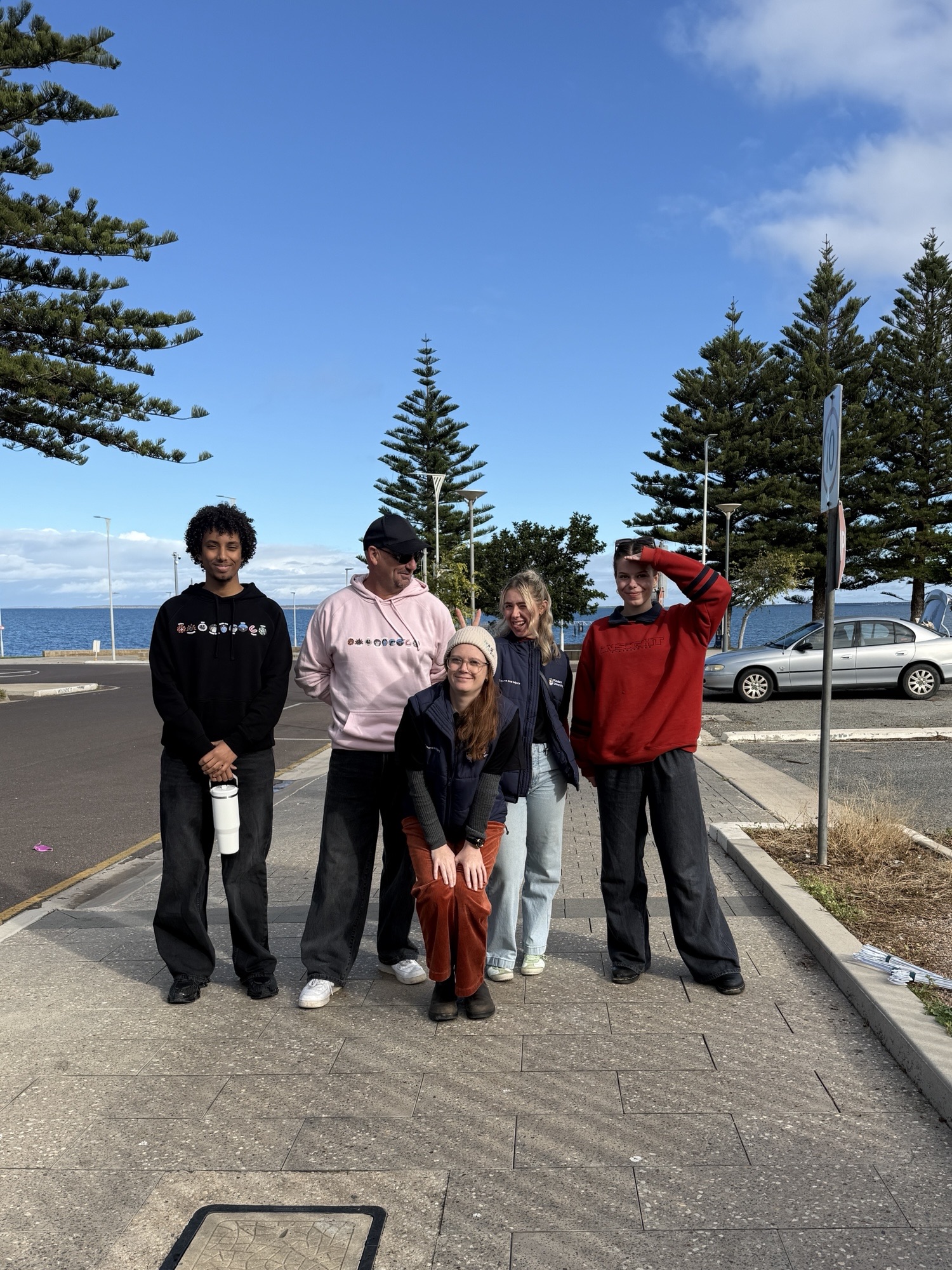
Last week, the Trauma & Injury team drove down to Ceduna to launch the app with community engagement specialist and E.M.U Consultancy director Patrick Sharpe. Community members came down across two days to yarn and explore the website. The Your Journey website is currently in trial phase and will continue to be shaped by community feedback.
Co-designed with community, grounded in Indigenous knowledges
This project is underpinned by co-design methods and community leadership. Using a citizen science model, community members in the Far West of South Australia (Ceduna, Koonibba, Yalata, Scotdesco, and Oak Valley) are actively involved in shaping the research throughout the lifespan of the project – sharing lived experiences, identifying priorities, and contributing to the design and review of the Web App through ongoing workshops and yarning circles.

An Aboriginal Governance Group provides oversight, ensuring the research remains culturally appropriate, accountable, and aligned with community priorities.
Partners
This project is being run in close collaboration with partners including E.M.U Consultancy (Dir. Patrick Sharpe), the George Institute, CSIRO, and UNSW.
Publications
Experiences and impacts of out-of-pocket healthcare expenditure on remote Aboriginal families (2024)