


Everyday harm – such as being ignored, overlooked or silenced – happens to everyone. However, these types of harm cause worry, distrust and prevent people with disability from accessing the types of community services that they need and should have access to.
Flinders University PhD candidate Su Su Tun is conducting a study into how everyday harm affects people with disability who hail from cultures outside of Australia.
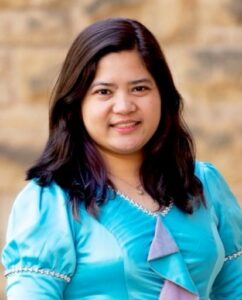
“People with disability from culturally and linguistically diverse (CALD) backgrounds face challenges accessing community services in Australia that they need,” explains Su Su.
“This reaches far beyond simple language barriers. It can lead to a breakdown in trust between people and the providers of community services, and highlights that intended support networks don’t always work as they should.”
This PhD project – which is supported by a PhD Enterprise Scholarship from Flinders University and the National Disability Insurance Scheme NDIS Quality and Safeguards Commission – focuses on opportunities and barriers that interfere with inclusive lives for people with disability, specifically from the perspectives of people with disability from Myanmar communities.
The causes of everyday harm can include neglect, disrespect, rudeness, intolerance, and unmet promises – some of which can occur unintentionally through ignorance, insufficient skills of community service providers, or systemic barriers.
“These negative experiences contribute to everyday harm, which is a common but less noticeable form of harm that negatively impacts a person’s wellbeing and social connections,” says Su Su. “While it is subtle, it does have a deep effect on people with disability – and because people do not feel they can speak up about these harms, it has been normalised in some community services.”
For this study, Su Su has employed a co-design advisor with disability who is from Myanmar, to ensure the research is inclusive, accessible and culturally responsive, and to support a deeper understanding of everyday harm by exploring its meaning and impact to CALD people with disability.
“We have found that many people from diverse cultures who experience everyday harm often choose not to return to community service providers, and that decision ultimately affects many aspects of their health and wellbeing.
“Four common forms of harm were raised by participants – often starting with emotional harm, which is explained as feelings of inferiority, not being cared for or being discriminated against because of their culture or language. This can lead to compromised mental health, and if people stop seeing the appropriate heath service providers, it can also lead to deterioration of their physical health. People also linked harm with their social security status, regarding applications for disability pensions, citizenship or other official matters.
“The harms are not experienced in a serial or linear way. Instead, they are often intertwined and reinforce one another. At times, experiences of everyday harm can lead people to wonder whether they feel they belong in Australia – and sometimes this even includes people of diverse cultures who hold Australian citizenship.”
To remedy this, people with disability from Myanmar who Su Su has interviewed explain that they want to be active participants in community service provision – and to feel that their ideas and thoughts are both understood and respected.
“They want people who provide services to be more culturally responsive, to be patient and understanding of what someone from another culture needs to feel safe, secure and cared for.”
Su Su is in the second year of her PhD research and is currently doing data analysis of the initial components of her research.
As part of her scholarship, she will share her findings with the NDIS Quality and Safeguards Commission – an important first step in how her research will inform Australian policies and service practices to reduce everyday harm in community services for people with disability from culturally diverse backgrounds, and contribute internationally to cross-cultural service settings.
Su Su’s project is embedded in the ARC Linkage Project Preventing everyday harm of young people with cognitive disability, led by Flinders University’s Professor Sally Robinson.