

A Flinders-led program aiming to transform how we prevent colorectal cancer is gaining state-level traction with its inclusion in the newly released SA Cancer Plan 2025–2029.
The SCOPES (Surveillance for Colorectal Cancer Prevention) project is a collaborative initiative led by Associate Professor Erin Symonds, Chief Investigator from the College of Medicine and Public Health and Southern Adelaide Local Health Network (SALHN). It is supported by a Medical Research Future Fund (MRFF) Research Infrastructure grant.
The program was designed to address inefficiencies and inconsistencies in post-polyp surveillance colonoscopy care, with a focus on embedding evidence-based practices and improving patient outcomes. Now formally recognised as a priority prevention activity in the SA Cancer Plan, SCOPES is positioned to help shape the future of colorectal cancer care across the state.
“Inclusion in the SA Cancer Plan elevates SCOPES to a new level,” Isabelle Keel from the research team explains.
“It reinforces the strategic relevance of our work and improves visibility across public health and cancer care networks. It also increases the likelihood of longer-term funding and broader roll-out beyond the current project cycle.”
The platform supports clinical staff by:
- Standardising practice: It will embed guideline-based decision support to ensure patients receive timely and appropriate surveillance based on national recommendations.
- Streamlining workflows: Nurse-led processes and digital tools will help reduce the administrative burden and free up clinical time.
- Powering future research: A new colonoscopy data registry is being developed to capture high-quality outcomes data across South Australia. This will support research into colorectal cancer prevention and drive continuous service improvement.
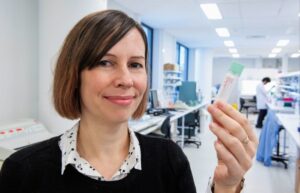
With the initial platform development now in its final stages, and ethical approvals progressing across multiple health networks, the SCOPES team is preparing for pilot implementation.
“This is a big win for research impact. We’re improving efficiency, equity and outcomes in colorectal cancer surveillance—and creating infrastructure that can support future prevention efforts statewide.”
Stay tuned for more updates as the platform goes live and the SCOPES team shares their early findings.