


Today is World No Tobacco Day 2026, an opportunity to recognise the vital role of research in reducing the harms caused by tobacco use and supporting a smoke-free future.
Tobacco use remains one of Australia’s most significant public health challenges. While decades of tobacco control have helped reduce smoking rates, more work is needed to reduce smoking-related disease, address inequities, support people to quit, and protect future generations.
At the Flinders Health and Medical Research Institute (FHMRI), researchers are contributing evidence to strengthen tobacco control policy, support smoking cessation, reduce smoking-related disparities, and inform tobacco endgame strategies.
Through the Flinders Nicotine and Tobacco Control Research Group, FHMRI researchers are proud to be carrying out research to help achieve Australia’s national Smokefree 2030 goal, protect future generations and hasten the end of the tobacco epidemic in Australia.
The group brings together expertise across tobacco control, public health, policy, prevention and cessation, with research spanning tobacco endgame strategies, smoking cessation support, risk behaviours, equity-focused public health responses, and the intersection between tobacco use and other health and social harms.
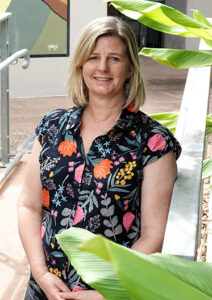 Professor Marita Hefler, who is also convening the 2026 Asia Pacific Regional Tobacco Endgame summit, the week following World No Tobacco Day, says tobacco research must focus on reducing harm in the communities most affected by smoking.
“Around two thirds of people who smoke will die early, many after suffering ill-health for years. Cigarettes are the most lethal consumer product in history. Other dangerous products are removed from sale, yet tobacco is often more available than food. My research is working with communities that have the highest smoking rates to reduce the availability of tobacco and support people to be smoke-free.”

Professor Billie Bonevski says reducing tobacco-related harm requires both targeted support for individuals and strong population-wide action.
“By combining individual support to help people quit smoking with population wide policies that reduce access to cigarettes and reduce the appeal of smoking, we can save thousands of lives every year.”
 Dr Joshua Trigg says tobacco control research must continue to focus on the real-world harms caused by tobacco products and the systems that enable them.
“Tobacco products kill consumers when used as intended. They are sold by an industry that takes billions in profit while causing extensive social and health harms. Our group works to address these harms by driving better health policy and supports for the people that this affects. My research specifically examines health risk attitudes, and risk-taking behaviours related to tobacco.”
 For Professor Richard Edwards, World No Tobacco Day is an important reminder of the need for strong and innovative policy action.
“On World No Tobacco Day I hope policy-makers will reflect on the massive, but wholly preventable, disease and suffering tobacco smoking causes in Australia; and that they commit to introducing robust and innovative policy measures to support people to stop smoking and protect young people from starting, such as reducing the retail availability of tobacco products.”

Supporting people to stop smoking is also a central focus of the group’s work. Professor Natalie Walker says smoking cessation research is critical to identifying treatments and supports that are affordable, acceptable and effective.
“Quitting smoking can be hard, but it’s not impossible. Thousands of Australians successfully quit smoking each year, and stay quit. The health benefits of stopping smoking are immediate and long-term. The financial benefits of stopping smoking are the added bonus. How do I know this? My research focuses on identifying affordable, easy to use, cost-effective, acceptable, and safe treatments for smoking cessation — treatments that work.”
FHMRI researchers are also examining how tobacco-related harms intersect with other health and social challenges, including alcohol use, mental health, stigma, discrimination and inequities in care.
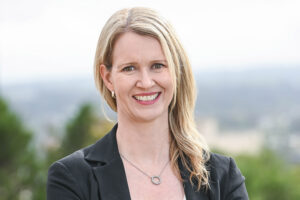 Professor Jacqueline Bowden says tobacco smoking and risky alcohol use must be understood as connected public health issues.
“On World No Tobacco Day, we must confront and inform people about the dangerous synergy between tobacco smoking and risky alcohol use. Together, they significantly increase the risk of cancer, cardiovascular disease, and preventable death, harms driven by industries that profit from their use. Addressing this requires strong public health action.”
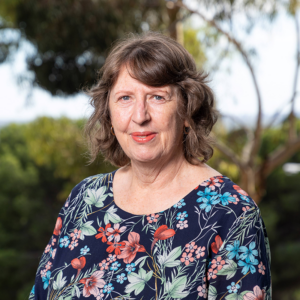
Professor Sharon Lawn’s work brings a strong focus on lived experience, mental health, health systems and equity.
“With a passion and commitment to addressing inequities for people with lived experience of mental health challenges, central to my work is elevating lived experience perspectives in research. I have examined the interface of mental health and physical health care systems, looked at workforce and organisational culture, examined stigma and discrimination, and also the role of self-care and people’s agency in their own lives.”
FHMRI is also home to the National Centre for Education and Training on Addiction (NCETA), an internationally recognised research centre working to minimise harms associated with alcohol and other drug use. Through world-class research, evaluation, workforce development and practical resources, NCETA helps inform policy and practice, build sector capacity, and support communities to prevent and respond to AOD harms.
On World No Tobacco Day 2026, FHMRI recognises the researchers working to support a smoke-free future and contribute to better health outcomes for communities in Australia and beyond.