

Flinders University made a significant impact at the Australia and New Zealand (ANZ) Prevocational Medical Forum 2024, held earlier this month in Darwin. The event showcased innovative approaches to medical education and healthcare delivery, with Flinders’ Rural and Remote Health team playing a prominent role in the Northern Territory.
Dr Uncle Richie Fejo and Dr Siobhan Hensey led Cultural Conversations to support students on clinical placements across the Top End. Dr Hensey also presented strategies to increase the capacity for remote, community-based placements by highlighting the power of team supervision.

Dr Zoe Radford explored the importance of case discussions as a tool for continuous learning across all stages of training. Drawing from her experience in General Practice supervision, she demonstrated how this method supports skill development and professional growth.
Associate Professor Emma Kennedy emphasized the role of trust and respect in relationships, both in healthcare and education. She connected person-centred medical care and learner-centred education to people-centred leadership, underscoring its value in fostering a healthy workplace culture.
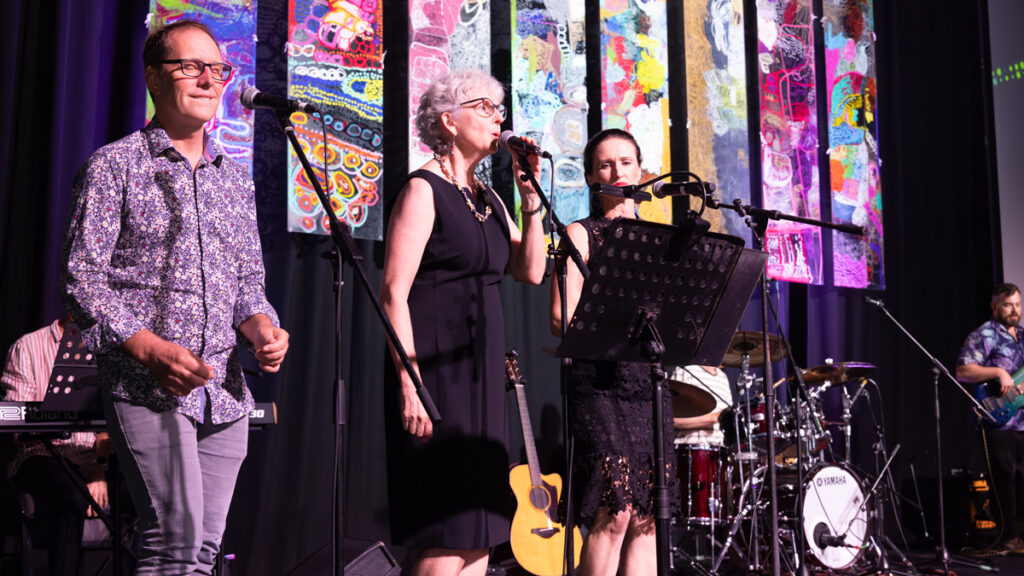
Dr Sara Zabeen brought attention to the inclusion of Planetary Health in the Flinders NT medical curriculum, showcasing its relevance across the broader scope of medical education.
Dr Penny Stewart shared insights from her 20 years of experience in some of the most remote Intensive Care Units in Australia. She highlighted the critical role of collegiality and support in both training and professional practice.
Dr Sheela Joseph and Dave Newman co-presented an innovative approach to teaching pathology remotely. Using technology, they enabled students to control cameras, interact with slides, and engage directly with lecturers. This student-driven learning model offers a fresh perspective on teaching practical skills.
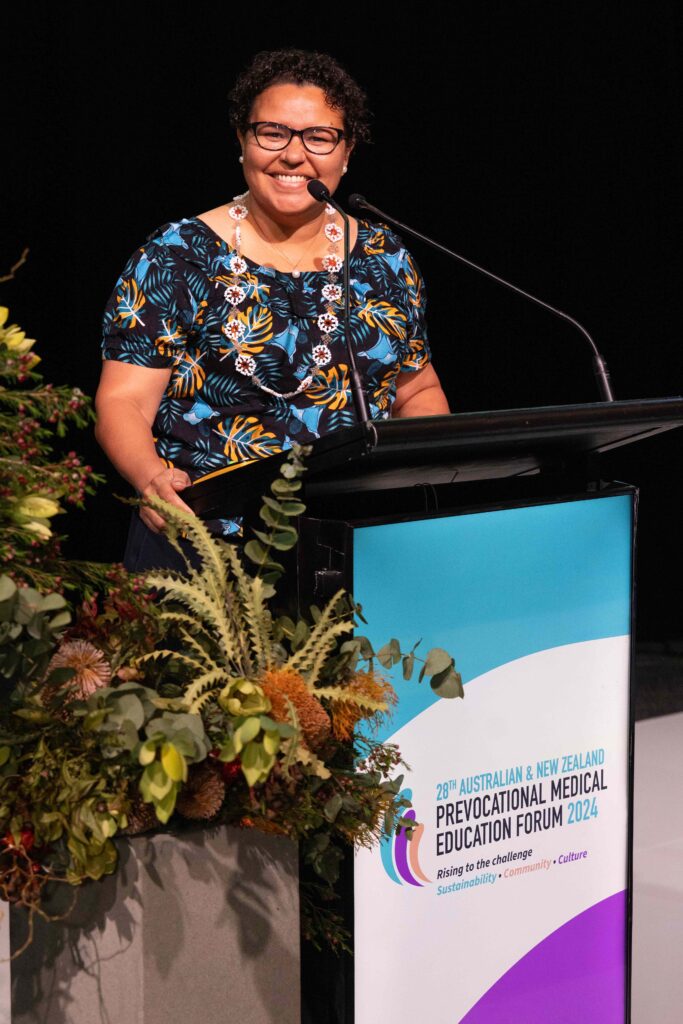
A standout moment of the forum was the keynote address by Dr Jaqui Hughes, titled Stories of Survival. Dr. Hughes delivered a passionate presentation on research conducted by and for Aboriginal and Torres Strait Islander peoples with significant healthcare needs. Her insights resonated deeply with attendees, underscoring the importance of community-led health initiatives.
Flinders University’s contributions to the forum highlighted their commitment to advancing medical education, fostering collaboration, and addressing the unique challenges of rural and remote healthcare.