

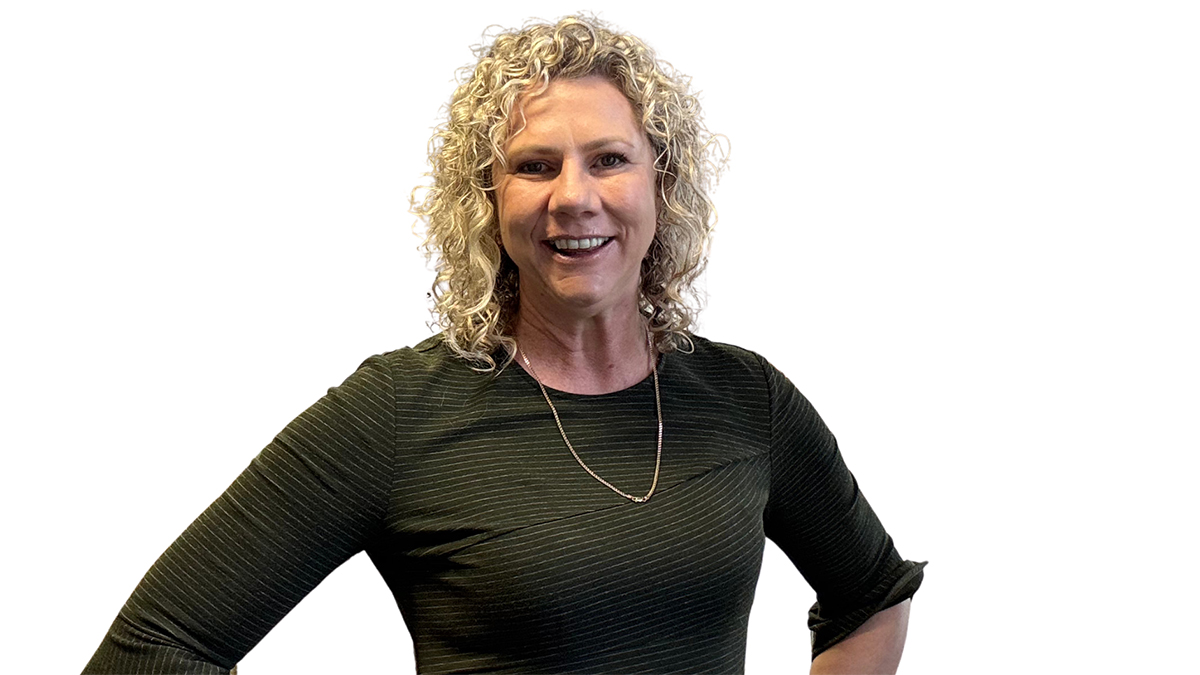
After more than 20 years in digital communications, 15 of which were spent running and directing her own agency, Lisa Harrison was ready to start bridging the industry-education gap. Read her thoughts on the latest influencer trends, brands creating authentic connections and what she loves about Adelaide since moving from the Sunshine Coast last year.
What is your role here at Flinders?
I’m a Lecturer in Communications and Media, where I get to combine my passion for digital communication with developing the next generation of industry professionals. My role involves teaching across our undergraduate and postgraduate programs, coordinating the Master of Media and Communications and the new Diploma of Digital Content Creation. I lead some exciting initiatives like our student-led agency program that connects students directly with real industry clients. I also recently published a book on micro-influence with Palgrave Macmillan, which has been generating wonderful conversations about how everyday people can build meaningful influence in their professional fields. What I love most is seeing students transform from digital consumers to strategic communicators who understand the power and responsibility that comes with professional digital influence.
What drew you to academia having worked in real-world marketing previously?
After more than 20 years in industry, 15 of which I ran and directed my own communications agency, I realised I had accumulated this wealth of knowledge about what actually works in digital communication— not just the theory, but the messy, complicated reality of creating authentic connections online, navigating the complexities of AI in communications, and understanding the critical importance of ethical implications in our digital choices. My business model had always included mentoring and accredited education programs in business communication through organisations like TAFE Qld, AIM, and CCIQ, so I was already passionate about bridging the industry-education gap. I kept seeing graduates enter the workforce with solid theoretical foundations but lacking the practical confidence to navigate real-world challenges. I wanted to bridge that gap further. Academia allows me to take everything I’ve learned from building campaigns, managing digital crises, and developing authentic brand voices, and weave it into learning experiences that genuinely prepare students for industry demands. Plus, the opportunity to conduct research that actually impacts how we understand digital influence — that’s been incredibly fulfilling.
What makes a good Communications and Media graduate?
Critical thinking and ethical curiosity, paired with cultural sensitivity. The digital landscape changes so rapidly that the specific tools we teach today might be different in five years, but a graduate who asks thoughtful questions and understands how to communicate across diverse audiences will always thrive. I look for students who can think strategically about audiences, understand the ethical implications of their communication choices, and aren’t afraid to experiment with new platforms while maintaining authenticity. They need to have a solid foundation of networking on and offline, and don’t be scared of failing— some of the best learning happens when things don’t go according to plan. The best graduates I’ve worked with combine strong analytical skills with genuine empathy—they can read the data and understand the human story behind it. They’re also comfortable with ambiguity because digital communication often means figuring things out as you go.
Where do you see the future of influencers heading?
I’m seeing a clear trend toward more authentic, niche-focused micro- and nano-influencers. My research on micro-influencers shows that audiences are increasingly drawn to genuine expertise and authentic connections rather than follower counts. I think we’ll see more professionals using their digital presence to build thought leadership in their specific fields—whether that’s sustainability, education, or local business development. The future belongs to people who can demonstrate real value and maintain authentic relationships with their communities. We’re also seeing increased awareness around the mental health implications of constant content creation, so I expect we’ll see more sustainable approaches to building influence that prioritise wellbeing alongside reach.
Which brand’s marketing/communications works best on you?
I’m captivated by how Canva has built a strong, community-driven brand voice that listens to its users and creates genuinely helpful products—an inspiring Australian success story. Locally, Adelaide-based businesses like Homeboy Café, Africola, and My Grandma Ben use digital platforms to share authentic stories rooted in values like sustainability, cultural creativity, and community connection. South Aussie with Cosi and Adelady also stand out for their vibrant, inclusive storytelling that celebrates South Australian life, fostering pride and engagement across diverse audiences. These brands don’t just market— they communicate with purpose, recognising their role in a broader social ecosystem.
Tell us about your ideal weekend.
I moved to Adelaide in January 2024 to join Flinders, leaving my friends and family on the Sunshine Coast for a sea change, so I spend a lot of time on FaceTime staying connected with loved ones back home. The more I discover about Adelaide, the more I fall in love with the area, and my ideal weekend reflects that — balancing creative energy with genuine connection, and anything that supports my mental health and gets me offline. Saturday morning, you’ll find me at the Adelaide markets. I love spending time in creative spaces like galleries or markets, often taking photos and observing how people interact with digital and physical environments. Sunday is for deeper conversations — maybe hosting friends for dinner where we solve the world’s problems over good food, having long phone calls with my kids, or joining my hiking group. A cheeky winery visit could also be on the cards. Ideal weekend = creativity, connection, and usually at least one moment where I learn something completely unexpected.