


Improving commissioning processes for Indigenous health and wellbeing programs
Research published in the November issue of the International Journal for Equity in Health, new research provides clear guidance about how to improve practices around the commissioning and evaluation of Indigenous health and wellbeing programs.
Co-author Professor Margaret Cargo, from the College of Medicine and Public Health, was part of a collaborative team led by Associate Professor Summer May Finlay, a Yorta Yorta woman and public health expert at the University of Wollongong.
It is the first study in Australia seeking to characterise commissioning practices. The research was driven by calls from Indigenous leaders who wanted to influence decision-making and ensure that health and wellbeing programs reflect the needs of Aboriginal and Torres Strait Islander people. The findings have the potential to support Indigenous people around the world.
Read more at Croakey Health
The ecological nature of pandemics
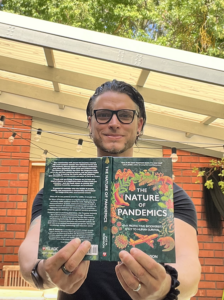 ARC DECRA fellow Dr Jake Robinson is celebrating the release of his third book. The Nature of Pandemics is a timely reminder about growing complacency while risks of pandemics continue to rise in a “degraded, warming and hyper-connected world,” he says.
“Pandemics are ecological stories. They’re shaped by land-use change, biodiversity loss, globalised trade, cultural behaviours, and the invisible microbial worlds that bind us together.
“To prevent future pandemics, we need to understand the systems that create them, not just respond to the symptoms.”
The book builds on his earlier research that links pandemics to the world’s ecological crises and why protecting biodiversity is key to human survival.
Dr Robinson, from the College of Science and Engineering, started jotting down ideas for this book while being quarantined in his UK home village of Eyam during the peak COVID-19 shutdowns, a village famous for quarantining itself during the Black Death plague outbreak of 1665.
“Over 3 years, I pulled together research across ecology, microbiology, epidemiology, psychology, social research, philosophy and systems science. I interviewed some of the world’s top scientists to ask: What really is #OneHealth and why is the concept so important? Why should we take a more-than-human approach to health?”
Volunteer of the Year – Northern Territory Emergency Service
 Congratulations to John Wright, a teaching academic based in Tennant Creek, for being awarded the 2025 NT Administrator’s Medal for Emergency Service Employee and Volunteer of the Year.
He was recognised for his long-standing service with the Tennant Creek Volunteer Unit of the NT Emergency Service, where he has volunteered for more than 11 years and served as Unit Officer for the past decade. He celebrated the honour with his daughter Laura, the Unit’s Training Officer, and their much-loved mascot, Ted.