


The last time Jenny popped up on BetterU, she was talking Financial Wellbeing and Student Life. This time? She’s talking about the therapeutic potential of the camera(s) that sit on your phone, with specific therapeutic photography protocols for adding to daily life.
Sometimes, it’s not that you don’t have time to rest… it’s that your mind doesn’t know how to.
Hi all, I’m Jenny, an international student studying social work, currently on placement with the BetterU News team. Over my years of study, I’ve stumbled across some small but meaningful ways to reconnect with myself during stressful times. One of them is something almost everyone has access to: a phone camera.
I’ve always convinced myself that photography counts as a practice of mindfulness. Then, finally I found evidence for that. It’s called therapeutic photography. Yes, photography is therapeutic, in which we use photos as a quiet way to notice how you’re feeling, process what’s going on inside, and find small moments of meaning on an otherwise overwhelming day. The good news is you don’t need any special equipment or training to do this therapy.
⭐⭐⭐⭐⭐⭐⭐
So what is therapeutic photography? 📷
Therapeutic photography uses photographs and photography to increase self-knowledge, awareness, wellbeing, and to explore emotions that are hard to put into words (Gibson, 2023). The key insight is that what we choose to photograph reveals something about how we see the world and ourselves.
Dr. Neil Gibson, a therapist and one of the leading researchers in this area, uses photography as a tool in his therapy sessions. He describes four ways photography can work therapeutically. It’s helping us know ourselves better, understanding our relationships, making sense of our story, and connecting with our environment. You’ll see echoes of all four throughout this guide.
6 Therapeutic Photography Practices
Below are six distinct practices you can try. Each one is a little different. Some are quick and playful, others are slower and more reflective. Start by picking whatever feels most accessible to you.
✨ Practice 1: Noticing your environment – see beauty of life in little things
What we do:
- Take photos of small, everyday things around you
- Capture them as they are (no staging or tidying)
- Focus on light, textures, objects, and spaces
Why it works for our mental wellbeing:
- Shifts attention away from stress and into the present moment
- Builds awareness through noticing rather than analysing
- Helps externalise your internal state through your surroundings
- Creates distance from overwhelming thoughts
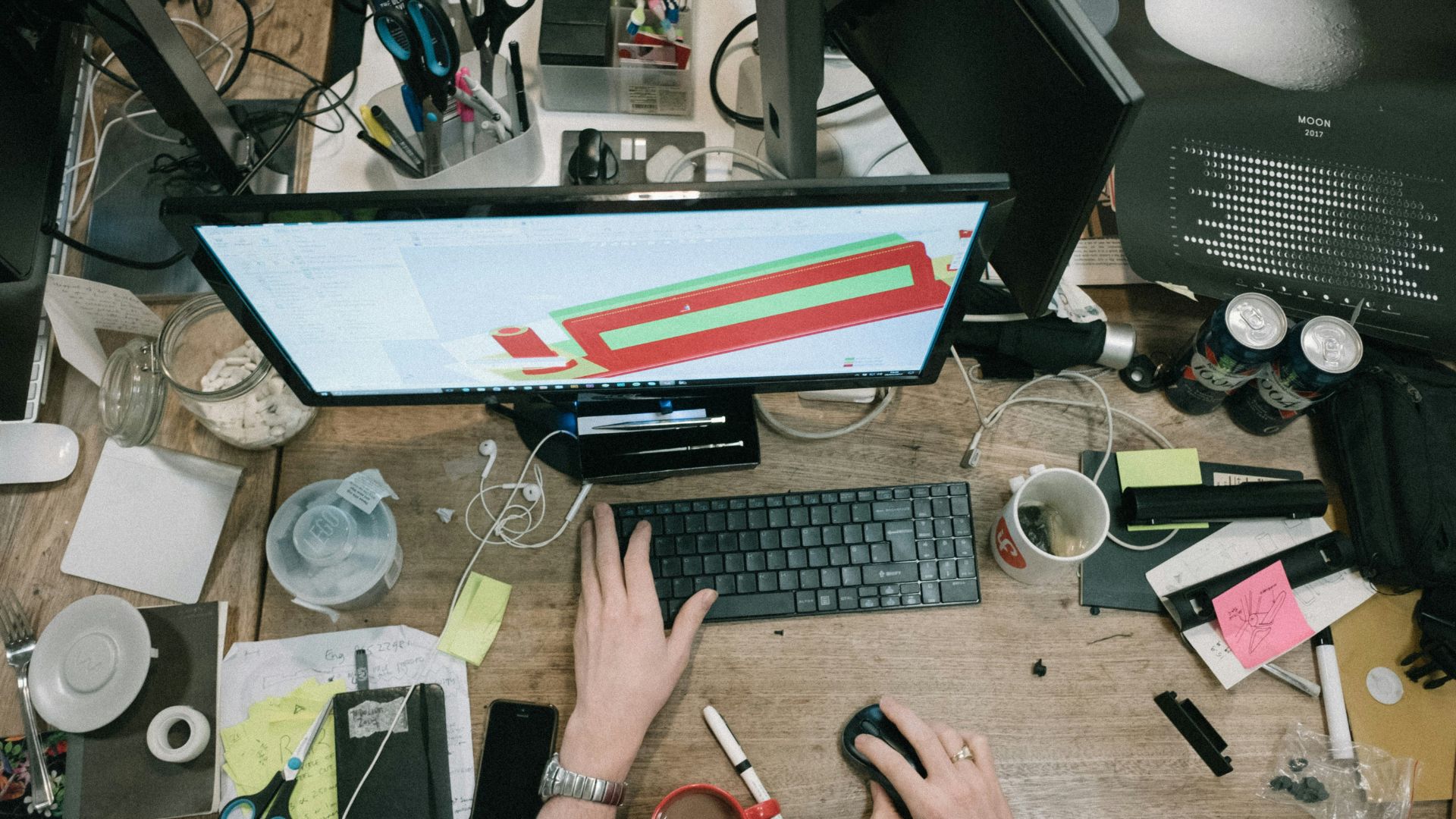
For example, a messy desk is not just a messy desk. It’s overwhelming. A cold cup of coffee is not just a forgotten drink. It’s how long you’ve been sitting there. A single beam of light across your notes is not just light. It’s a quiet moment on an otherwise busy day. You just noticed!
Photographing your workspace as it actually is, not tidied up, can be a surprisingly honest act. You’re witnessing your own experience. And sometimes, looking back at the photo, you see not just the mess but your effort: all those open books, all those pages of notes, all that evidence that you are showing up, and a reminder that you’re trying.
Without needing to explain it, the photo becomes a way of saying, “This is how I felt”.
🎨 Practice 2: Colour hunting
What to do
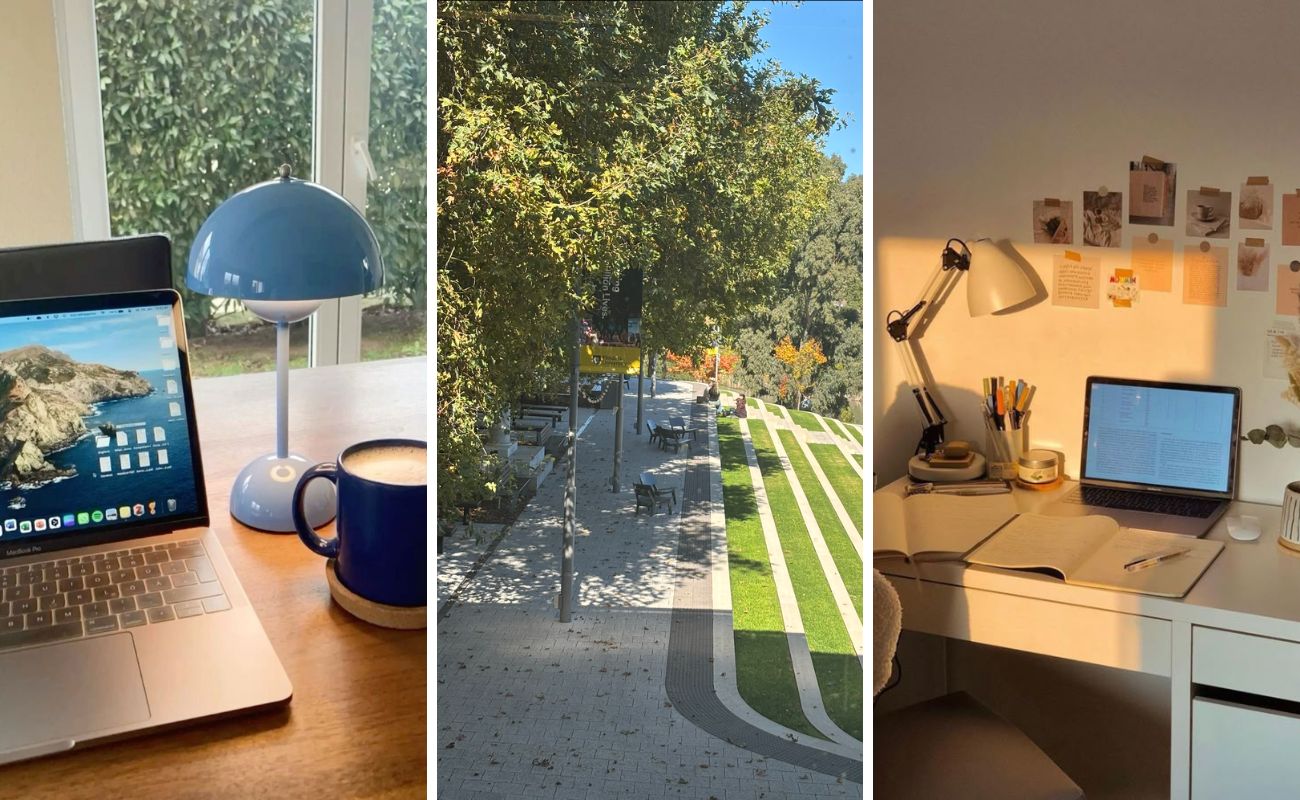
- Choose a colour that reflects how you feel, or how you want to feel
- Spend a few minutes finding and photographing that colour in your environment
- Afterward, pause and reflect on the experience
Examples: Pick
- Blue 💙 for calm
- Green 💚 for rest
- Yellow 💛 for energy
Why it works
- Uses sensory focus to gently regulate mood
- Provides a simple, time-limited “reset” activity
- Links emotion to visual cues in a non-verbal way
- Encourages playful exploration rather than pressure
🙈🙉 Practice 3: Capturing emotions through images
What to do
- Choose a set of emotions (e.g. love, fear, anger, joy, surprise, sadness)
- Take one photo that represents each emotion
- Use metaphor rather than literal representation
Why it works
- Externalises emotions, making them easier to approach
- Reduces reliance on language to explain feelings
- Helps identify and name emotional states
- Creates a safe way to explore difficult emotions
Wondering what this practice looks like? Let’s watch this together
😊 Practice 4: Photographing people and connection
What to do
- Take photos of people around you in everyday moments
- Capture connection: shared study, laughter, quiet companionship
- Focus on genuine, unposed interactions
Why it works
- Increases awareness of social support
- Counters feelings of isolation during stressful periods
- Makes relationships more visible and tangible
- Reinforces a sense of belonging
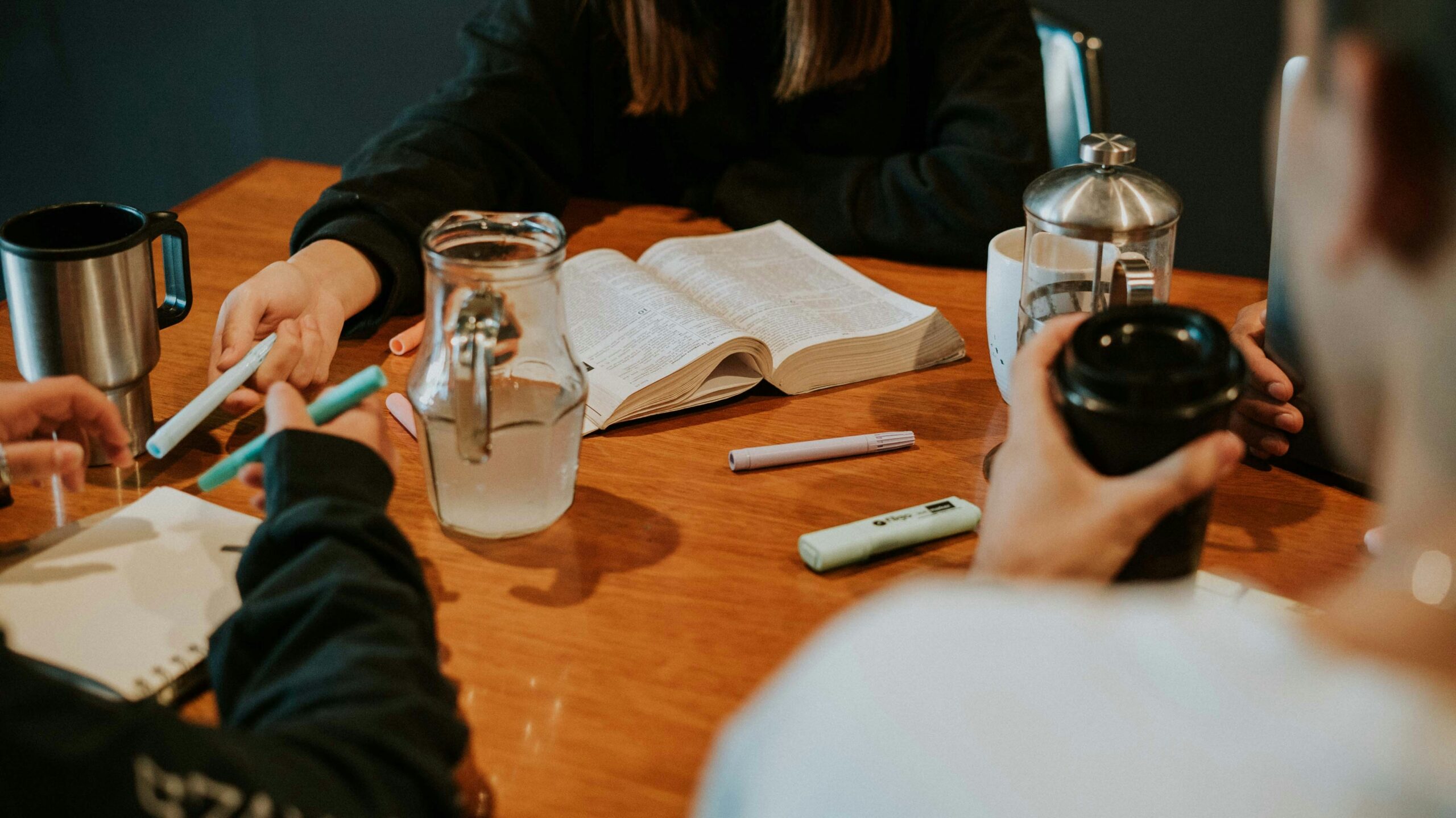
When you photograph a friend mid-laugh or capture two people studying side by side in comfortable silence, you’re documenting something real: that you are not alone in this.
Gibson (2024) found that therapeutic photography helped participants become more aware of their relationships and the support available to them – something that’s easy to lose sight of during a difficult semester. A photo of your study group at the library is not only a memory, but also evidence that you have people supporting you.
⛅ Practice 5: Reflecting on meaning over time
What to do
- Over several days, take photos of things that feel meaningful
- Build a small collection (e.g. 8–10 images)Reflect on each one:
- What does this represent?
- Why is it meaningful to me?
Why it works
- Encourages deeper reflection beyond immediate emotions
- Reveals patterns in values, priorities, and experiences
- Strengthens sense of purpose and meaning
- Helps identify sources of resilience in everyday life
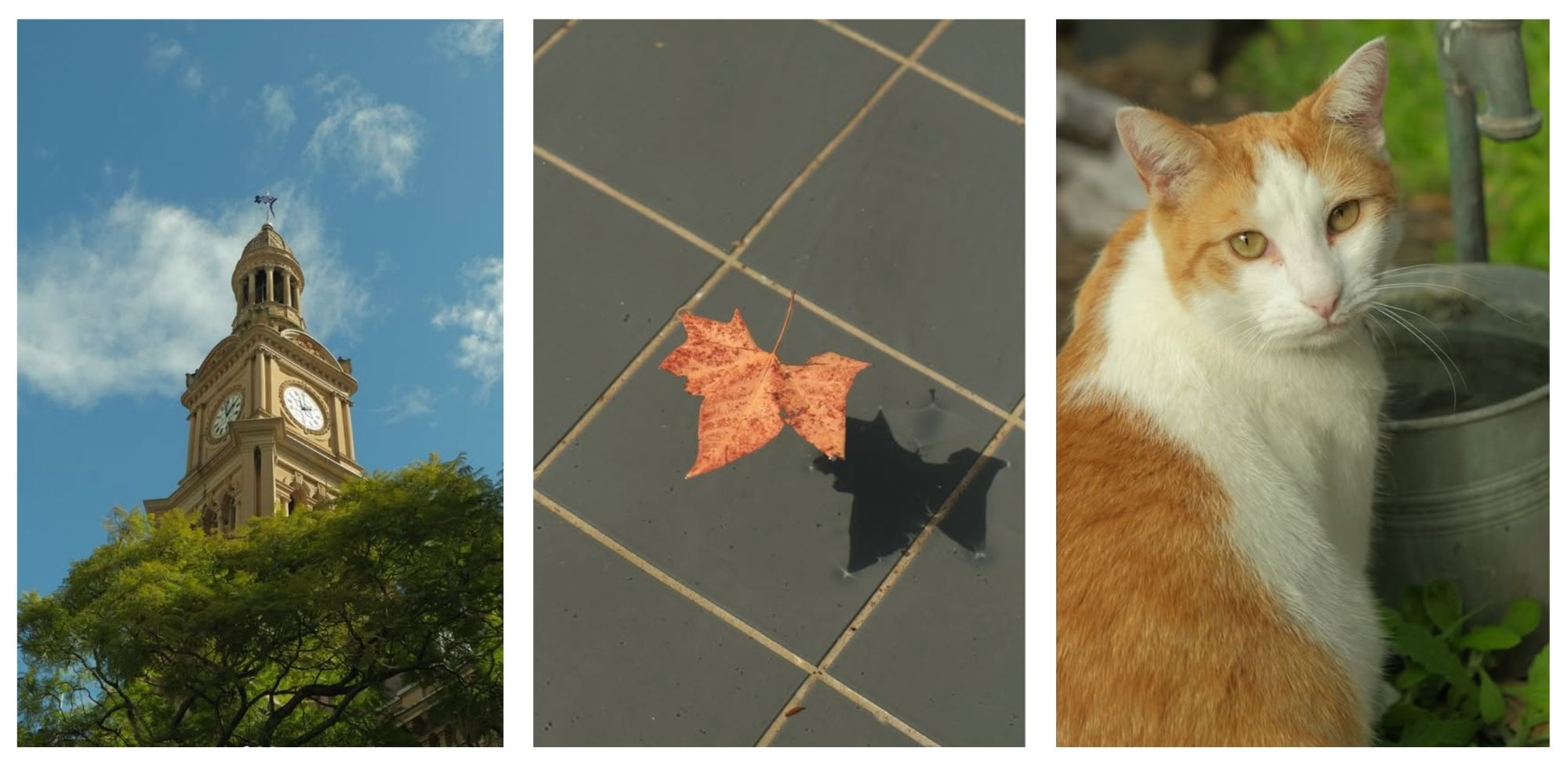
“Observe, Reflect, and Perceive”
For example, these three pictures of mine represent the steps of my personal growth and self-awareness: Observe, reflect, and perceive.
The tower’s observation deck represents “Observe”; The water reflection of the leaf represents “Reflect”; and the cat’s steady gaze represents “Perceive” – a quiet reminder that perception goes both ways that we’re not just looking, we’re also being seen.
🌇 Practice 6: Personal reflection on a single image
What to do
- Take a photo spontaneously in a moment
- Return to it later and reflect:
- What was I feeling at the time?
- What does this image represent now?
Why it works
- Creates distance, allowing new insight to emerge
- Turns ordinary moments into meaningful symbols
- Supports self-understanding through reflection over time
- Helps reframe experiences (e.g. recognising resilience in the example below)

For example, this photo was taken at the moment when I was rushing to work after placement. There were a bunch of feelings inside my head that I couldn’t describe. Everything felt heavy after a long day.
Then I noticed the sunset while I’m pausing for the traffic light. Looking at the gleaming light of sunset in the middle of a hustle city makes me feel calmer, reflecting how the sun is rising and setting down every day without giving up, and so am I. There were just me and the sun capturing that moment, appreciating the resilience and consistency that human (me) and nature (the sun) were all sharing the same values, which eventually empowered me to get back my hustle side and continue my work.
⭐⭐⭐⭐⭐⭐⭐
I’d love to hear your thoughts 💬
The tool you need is already in your pocket: Your phone camera
The exercises in this guide don’t require anything beyond what you already carry every day. Just a willingness to slow down and notice.
So, try one. Start with whatever feels easiest, like just a two-minute Colour Hunt. See what you notice. See what surprises you. Or capture something small and meaningful on your way home. Let an ordinary moment become an honest one.
And if you’d like to share what you find, we’d love to see it. You can share it with us — in the comments, on social media, or tag us in the photo you took on Instagram: oasis_at_flinders
And if an exercise sparked something bigger – a reflection, a story, a practice that’s been quietly helping you through. We’d love to hear the whole thing as peers listening to a peer on BetterU News. Together we heal and grow! You can submit content for BetterU!
Your experience might be exactly what someone else needs to hear today.
I hope you read this feeling encouraged and hopeful. There is no judgement when we pick up our phones and point them at the world – when we let a photograph hold what words can’t. Therapeutic photography is giving yourself permission to notice, to feel, and to breathe.
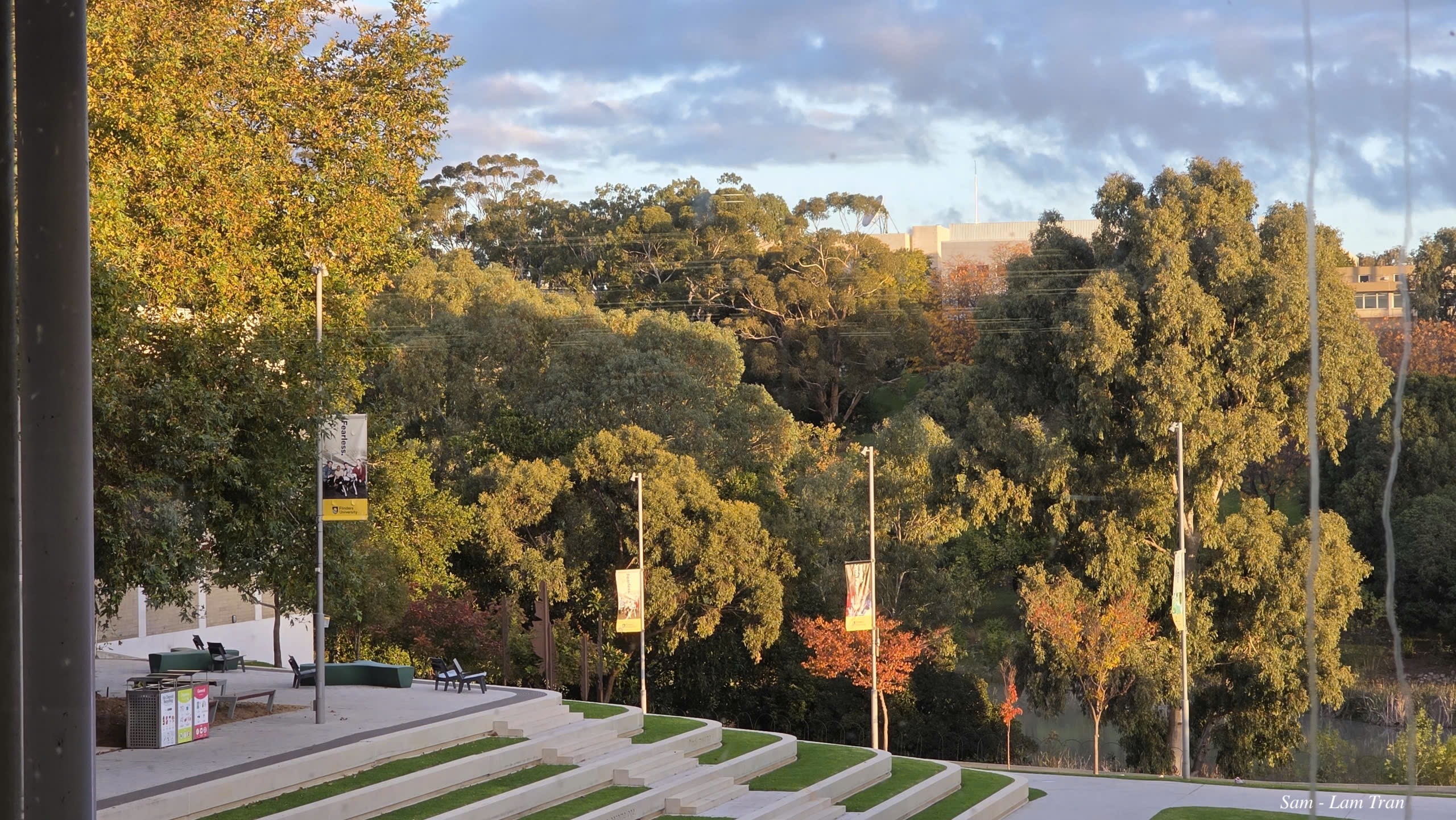
References
Gibson, N. (2023). Therapeutic photography. Phototherapy Centre. https://phototherapy-centre.com/therapeutic-photography/
Gibson, N. (2024). Using therapeutic photography in social work — An interpretive phenomenological analysis of the dynamics within a group programme. The British Journal of Social Work, 54(1), 305–325. https://academic.oup.com/bjsw/article/54/1/305/7244280
Kexiu, L., Elsadek, M., Liu, B., & Fujii, E. (2021). Foliage colors improve relaxation and emotional status of university students from different countries. Heliyon, 7(1). https://www.cell.com/heliyon/fulltext/S2405-8440(21)00236-X
Steger, M. F., Shim, Y., Barenz, J., & Shin, J. Y. (2013). Through the windows of the soul: A pilot study using photography to enhance meaning in life. Journal of Contextual Behavioral Science, 3, 27–30.
Greater Good Science Center at UC Berkeley. (n.d.). Meaningful pictures. https://ggia.berkeley.edu/practice/meaningful_pictures
Picture credits: Unsplash, Pinterest, my friend’s photo, my photos